
News | 28 July 2025
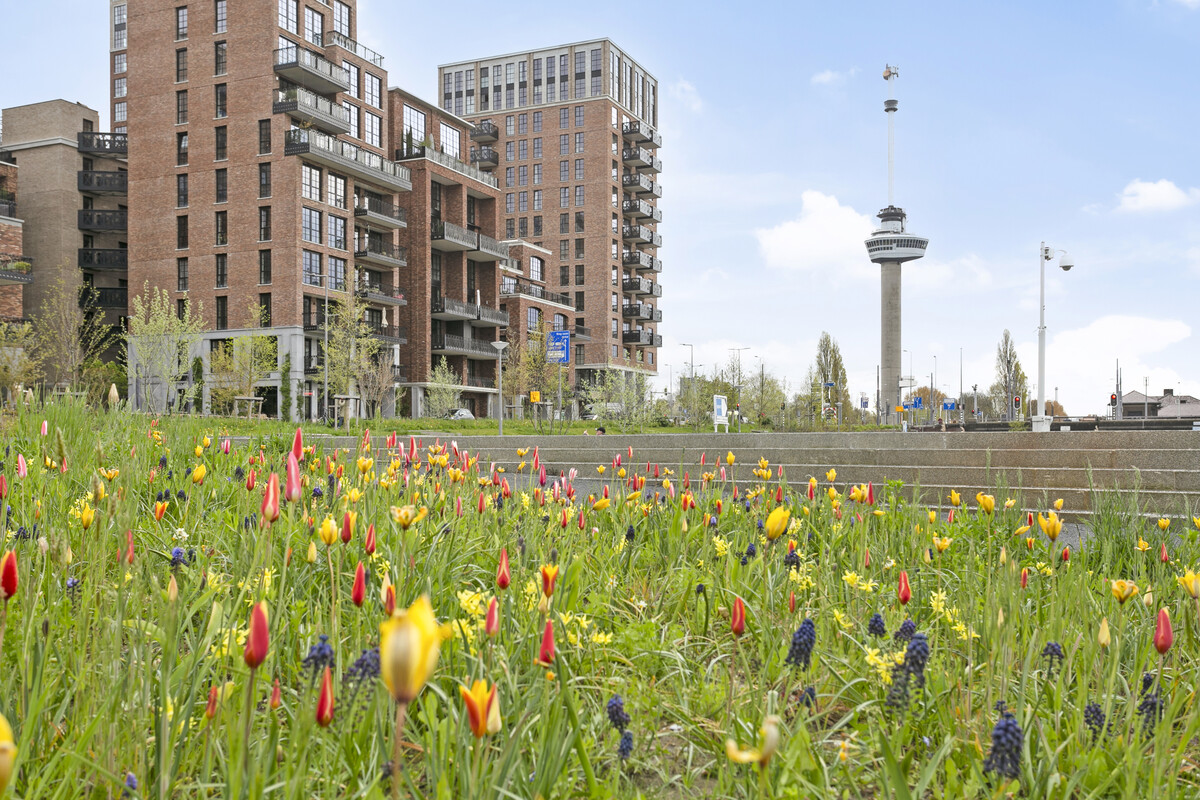
Moving to the Netherlands is an exciting adventure, but it could bring plenty of practical questions. Especially when it comes to finding a good rental home in a competitive housing market. At Hello Housing, we help expats on daily basis in their search for a suitable rental home and we often hear the same questions come up. So, we've listed the 10 most frequently asked questions, with clear answers to help you on your way.
The Dutch rental market is divided into three different segments: social housing, mid-range housing and the private rental sector. Thanks to the 'Affordable rent act' (Wet betaalbare huur), rental homes are assessed based on a point system (Woningwaarderingsstelsel or WWS). This system determines in which category the rental home falls into.
Rentals in the social housing segment are meant for those with a lower income. What should you know about social housing?
The mid-range housing sector is the most affected segment by recent government changes back in 2024. What are some key pointers about mid-range housing?
Private sector housing is the only segment where the monthly rent is not capped. What else should you know about renting a private sector home?
Want to know more? Check the Dutch government's website for details on the rent segments.
Landlords may request a deposit of up to two month's basic rent, since 2023 it is no longer allowed to request a higher deposit. At the start of the lease, the condition of the property will be recorded in a so called 'check in report'. If the home is returned clean and undamaged, the deposit should be refunded within 14 days.
In some cases the landlord wants to deduct certain costs from your deposit. Below a quick overview of what may be deducted.
When a landlord deducts these costs, they must provide you a written notice. The remainder must be refunded within 30 days and must be backed by a financial breakdown of the deducted costs.
A typical rental process (for the private sector) goes as follows:
Are you looking for a rental home in the Netherlands? Take a look at our other blog: 5 tips for expats renting their first home in the Netherlands.
Yes you can, however you must be able to prove you have a stable income. Do you have:
Since 2024, open ended contracts have become the standard. The previously used temporarily contracts are mostly prohibited. Open ended contracts protect the tenant from the landlord cancelling the contract. As it is for an indefinite time it is up to the tenant to end the agreement with a one month notice period, which is often 1 calendar month. Some contracts do have a minimum period, for example 1 year, during which early termination isn't allowed.
Temporarily contracts do still exist but may only be used in special cases. Examples are: renovation of the tenants own property and therefor needed somewhere else to stay, relocation for a student due to studies in a different city or in case or a divorce.
Whether you may rent a home without a BSN or Dutch bank account varies a bit depending on the landlord's requirements and your personal situation. EU citizens often have an easier proces than non EU citizens due to the requirement of residence permits. Rules may vary depending on your situation so choosing the right provider is important.
Expats without a BSN or Dutch bank account can often still rent from certain providers like Hello Housing, specializing in housing for internationals.
Most landlord use quite standardized lease templates, but always read your contract carefully! A good tendency agreement should include at least:
Also, make sure to check the clauses for: house or complex rules, utility payments and arrangements and the use of common area's. These are often found in the general terms and conditions.
As tenant you are, unless agreed otherwise, responsible for:
Are you curious about a full breakdown, including the responsibilities for the landlord? Read our full blog on tenant and landlord responsibilities here.
Renting a home with friends or colleagues can be a great solution to affordable housing, however, not every home may be shared like that. First of all, a social house is not allowed to be shared with others outside your own family. Looking at private sector housing, the landlord needs a permit to let a home to more than 2 people that are not forming a household/family. Always check with the landlord or agent if house sharing is possible for the home you are interested in renting with your friends or colleagues.
Want to bring your furry friend? Always check with the landlord if the rental is pet friendly. At Hello Housing we always have several pet friendly properties. But as not all landlords accept pets in their rentals, you should always check.
At Hello Housing we specialize in helping expats and international professionals like you. Our fully furnished, all-inclusive apartments offer optimal comfort, convenience and peace of mind. Our rental process is simple and the Hello Housing expert team is here to guide you every step of the way.
Are you curious about our available apartments?